
How Can I Turn a Simple AI Game Into a Profitable Project
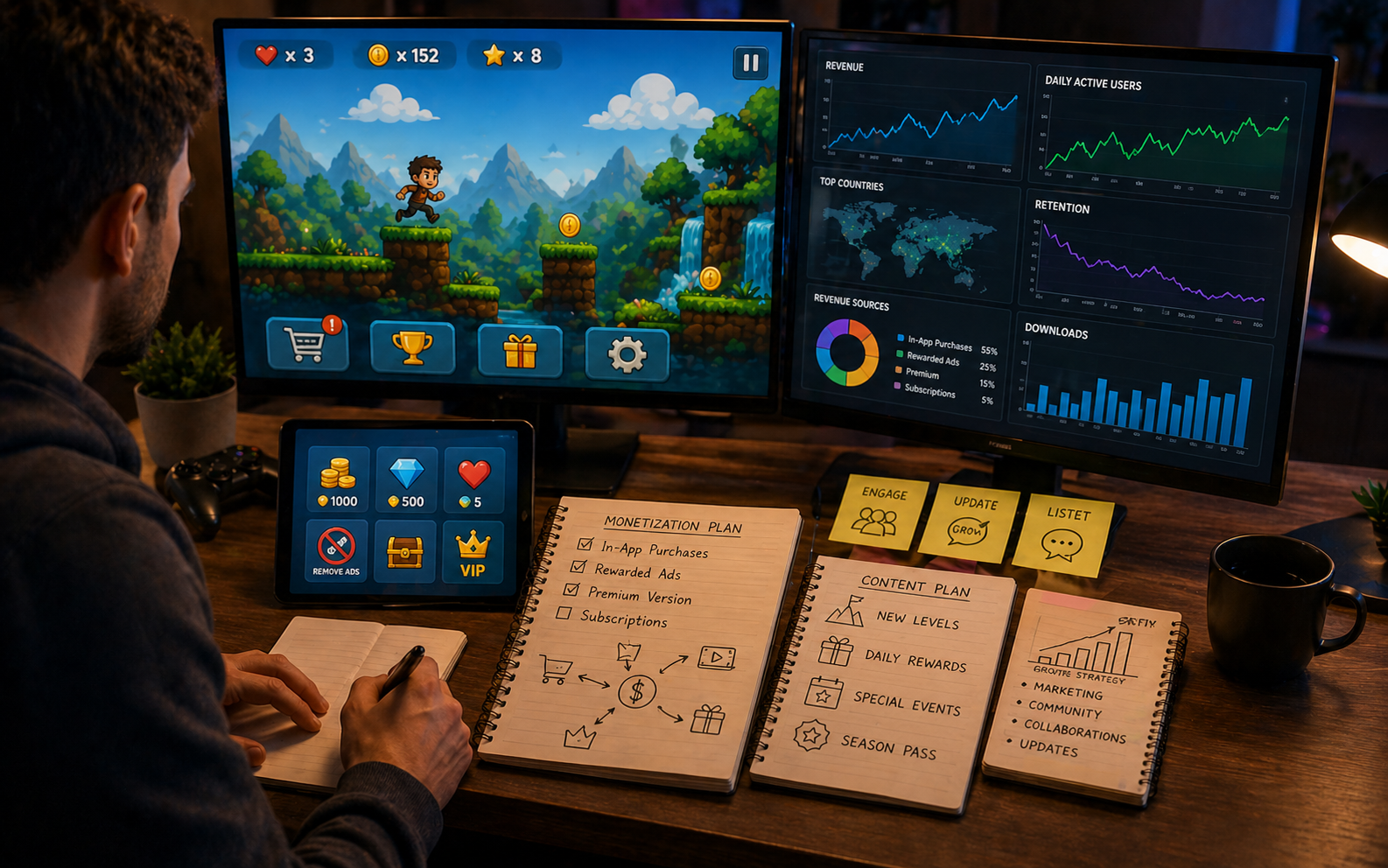
Creating a fun AI generated game is exciting, but turning it into a profitable project requires much more than simply publishing it online. Many developers launch their game expecting instant success, only to realize that players quickly lose interest or never spend money on the game at all. A visually impressive game alone is not enough anymore. Players expect smooth gameplay, rewarding progression, regular updates, and reasons to keep coming back. If your game fails to hold attention, generating consistent revenue becomes extremely difficult. The good news is that even a simple AI-generated game can become a reliable source of income when approached strategically. Successful developers focus not only on creating entertaining gameplay but also on understanding player behavior, improving retention, and building a strong community around their project. Monetization works best when players genuinely enjoy the experience and feel invested in the game over time.
This guide will show you practical and realistic ways to transform your AI game into a profitable project. You will learn how to implement smart monetization methods without frustrating players, improve engagement and retention, market your game effectively, and continue growing after launch. Whether you want to earn passive income from ads, increase in-game purchases, or build a loyal player base that supports future updates, these strategies can help you create a sustainable game business instead of just another forgotten release.
Why Most Simple Games Fail to Make Money
Many AI-generated games stay free with no way to earn income, or they add monetization that frustrates players. Others get a few downloads but fail to keep players engaged long enough to generate revenue. The key is to create a game that is enjoyable first and then add tasteful ways for players to spend money. A profitable game usually has strong core gameplay, reasons for players to return regularly, and optional purchases that feel fair rather than forced. With the right approach, even a simple game can become profitable.
Four Proven Ways to Monetize Your Game
Here are four effective monetization methods that work well for AI-generated games.
- In-Game Purchases: Offer cosmetic items, extra lives, or power-ups that players can buy.
- Rewarded Ads: Give players the option to watch short ads for bonuses like extra lives or coins.
- Premium Version: Create a paid version of the game with no ads and extra content.
- Subscriptions: Offer a monthly pass that gives daily rewards and removes ads.
Choose one or two methods that fit your game style and test them carefully so they do not annoy players.
Improving Player Retention
Players who return often are more likely to spend money. Add daily rewards, new challenges, or simple progression systems that give reasons to play every day. Regular updates with new levels or features keep the game feeling fresh. Make the core loop satisfying so players naturally want to play longer sessions. Track which parts of the game players enjoy most and expand on those features. Good retention is the foundation of profitable games.
Four Practical Steps to Grow Your Game
Use these four steps to increase your chances of profitability.
- Optimize for Stores: Use attractive screenshots, a clear description, and relevant keywords so more people find your game.
- Encourage Sharing: Add easy ways for players to share high scores or funny moments with friends.
- Listen to Feedback: Read reviews and player comments regularly and fix issues quickly.
- Release Regular Updates: Add new content every few weeks to keep existing players active and attract new ones.
Consistent effort after launch often determines whether a game becomes profitable.
Marketing Your AI Game Effectively
Share your game on social media, gaming forums, and relevant communities. Create short gameplay videos that show the most fun parts. Ask friends and family to try the game and leave honest reviews. Focus on platforms where your target players spend time. A well-made trailer or simple demo version can help people understand why your game is worth playing. Even small marketing efforts can bring in the first wave of players.
A fun example of an engaging AI-generated game is Night Shift. You can try it on Astrocade. It shows how a simple concept with good execution can attract and retain players.
Balancing Fun and Monetization
The most profitable games put enjoyment first. Avoid aggressive ads or paywalls that block progress. Instead, offer optional purchases that enhance the experience without forcing players to buy anything. Test different monetization placements and prices. What works for one game may not work for another. Always prioritize keeping players happy; satisfied players are much more likely to spend money over time.
Long-Term Growth Strategies
After launch, continue improving your game based on real player data. Add new levels, fix bugs, and respond to feedback. Consider creating multiple games in the same style once you understand what your audience likes. Build an email list or social media following so you can announce updates directly to interested players. Over time, a single successful game can lead to a small portfolio of profitable projects.
Common Mistakes to Avoid
Do not rush monetization before the game feels fun. Avoid copying trends without understanding why they work. Do not ignore negative feedback, it often points to the biggest opportunities for improvement. Stay patient. Most games take time to gain traction. Consistent updates and genuine care for the player experience usually lead to better long-term results than quick money-making attempts.
Wrapping Up
Turning a simple online games into a profitable project is achievable when you focus on creating an enjoyable experience first, then add smart monetization, improve retention, and market your game effectively. Regular updates and attention to player feedback help your game grow over time. Whether you build your games with Astrocade or other easy tools, the methods in this guide help you move from a hobby project to a real income-generating game. Start by making your core gameplay as fun as possible, then gradually introduce ways for players to support your work. With patience, smart improvements, and consistent effort, your AI generated game can become a profitable project that provides both enjoyment and income. Take it one step at a time and keep listening to your players; they are the key to long-term success.
Visit our website for more.